Buy luftballons.eu ?
We are moving the project
luftballons.eu .
Are you interested in purchasing the domain
luftballons.eu ?
domain@kv-gmbh.de · 0541-91531010
Buy luftballons.eu ?
What is sustainability?
Sustainability is the ability to meet the needs of the present without compromising the ability of future generations to meet their own needs. It involves finding a balance between social, economic, and environmental factors to ensure that resources are used in a way that preserves them for the long term. This can include practices such as reducing waste, conserving natural resources, and promoting renewable energy sources. Overall, sustainability aims to create a world where people and the planet can thrive together for generations to come. **
What distinguishes strong sustainability from the normal concept of sustainability?
Strong sustainability goes beyond the traditional concept of sustainability by emphasizing the importance of maintaining the integrity of natural systems and the well-being of future generations. It recognizes that certain natural resources and ecological processes are irreplaceable and cannot be substituted by human-made alternatives. Strong sustainability also prioritizes the protection of biodiversity and the resilience of ecosystems, rather than solely focusing on reducing environmental impacts or achieving short-term economic gains. In essence, strong sustainability requires a more holistic and long-term approach to environmental and social stewardship, placing a greater emphasis on intergenerational equity and the preservation of essential ecological functions. **


Similar search terms for Sustainability
Top-Angebote
Products related to Sustainability:
-
Inspire Select 2 PCS Inflatable Radio Toy Set 90s Retro Boombox For Party Decorations, Hip Hop Themed Birthday Photo Prop mobile PhoneDescription Bring the fun of the 90s into your celebration with this inflatable radio toy set, designed as oversized retro boombox props perfect for party dcor, photo booths, and themed events. This 2piece set features bold graphics and vibrant...41,98 $*Shipping: 0,00 $Secure redirect to the provider
-
Uplift Picks Inflatable Christmas Ring Toss Headband Party Game Inflatable Christmas Ring Toss Headband Party GameTurn any holiday gathering into a moment of laughter and friendly competition. This inflatable ring toss game adds instant fun to Christmas parties with a playful tree shaped headband that players wear while others aim and toss rings. Designed for...40,48 $*Shipping: 0,00 $Secure redirect to the provider
-
Shop Station Halloween Inflatable Coffin Buffet Cooler For Drinks And Party Snacks Halloween Inflatable Coffin Buffet Cooler For Drinks And Party SnacksBring spooky style and practical convenience to your Halloween celebration with this Halloween Inflatable Coffin Buffet Cooler. Designed in a coffin shape, this festive party cooler provides space for keeping beverages cold while displaying drinks...739,97 $*Shipping: 0,00 $Secure redirect to the provider
-
HeroKiddo 42 ft. T-Rex Adventure Inflatable Obstacle Course with Water Slide & Splash Pool, Dinosaur Party InflatableUnleash a Jurassic-sized adventure! The HeroKiddo 42 ft. T-Rex Adventure Inflatable Obstacle Course with Water Slide combines high-energy obstacle challenges with refreshing water-slide fun for an action-packed experience kids and families will love.2603,19 $*Shipping: 0,00 $Secure redirect to the provider




-
What is economic sustainability?
Economic sustainability refers to the ability of an economy to support current and future generations by balancing economic growth with social and environmental responsibility. It involves ensuring that resources are used efficiently and equitably to meet the needs of the present without compromising the ability of future generations to meet their own needs. This includes promoting long-term economic development, reducing inequality, and minimizing negative impacts on the environment. Overall, economic sustainability aims to create a stable and resilient economy that can thrive over the long term. **
-
What are sustainability strategies?
Sustainability strategies are plans and actions implemented by organizations to minimize their negative impact on the environment, society, and economy, while maximizing their positive contributions. These strategies often involve setting goals for reducing carbon emissions, waste, and resource consumption, as well as promoting social responsibility and ethical business practices. Sustainability strategies can also include efforts to engage with stakeholders, such as employees, customers, and local communities, to ensure that their needs and concerns are taken into account. Overall, sustainability strategies aim to create long-term value for both the organization and the broader ecosystem in which it operates. **
-
How can sustainability be assessed?
Sustainability can be assessed through various methods such as conducting life cycle assessments, measuring environmental impacts, evaluating social and economic factors, and analyzing the overall resilience of a system. Key indicators such as carbon footprint, water usage, biodiversity impact, social equity, and economic viability can be used to evaluate the sustainability of a product, project, or organization. By using a combination of quantitative data, qualitative analysis, and stakeholder engagement, a comprehensive assessment of sustainability can be achieved. Regular monitoring and reporting of these indicators over time can help track progress towards sustainability goals and identify areas for improvement. **
-
What about sustainability in banks?
Sustainability in banks refers to their commitment to environmental, social, and governance (ESG) principles in their operations and decision-making processes. Banks can promote sustainability by incorporating ESG criteria into their lending and investment practices, supporting green initiatives, and reducing their own carbon footprint. By integrating sustainability into their business models, banks can contribute to a more sustainable and responsible financial system that addresses key global challenges such as climate change and social inequality. Additionally, banks that prioritize sustainability may also benefit from improved risk management, enhanced reputation, and increased customer loyalty. **

What is the sustainability triangle?
The sustainability triangle is a concept that illustrates the interconnected relationship between social, environmental, and economic factors in achieving sustainability. It emphasizes that for a system or activity to be truly sustainable, it must balance and integrate these three dimensions effectively. By considering the social, environmental, and economic impacts of our actions, we can work towards creating a more sustainable future for both current and future generations. **
What exactly does sustainability mean?
Sustainability refers to meeting the needs of the present without compromising the ability of future generations to meet their own needs. It involves balancing economic, social, and environmental factors to ensure long-term well-being for both people and the planet. This includes practices that promote resource efficiency, social equity, and environmental protection to create a more resilient and equitable society for all. **
Top-Angebote
Products related to Sustainability:
-
NO 9.6FT Halloween Inflatable Decorations Skeleton Tombstone Banner Outdoor DecorationsMake a bold statement this Halloween with the 9.6FT inflatable skeleton holding a tombstone banner—an eye-catching centerpiece designed to thrill trick-or-treaters and party guests alike.84,99 $*Shipping: 0,00 $Secure redirect to the provider
-
NO 2 Pack 6.9FT Halloween Inflatable Octopus Tentacles Outdoor DecorationsMake your Halloween display come alive with this 2-pack of 6.9FT inflatable octopus tentacles—an eerie and creative decoration perfect for windows, rooftops, or garden areas.86,49 $*Shipping: 0,00 $Secure redirect to the provider
-
Inspire Select 2 PCS Inflatable Radio Toy Set 90s Retro Boombox For Party Decorations, Hip Hop Themed Birthday Photo Prop mobile PhoneDescription Bring the fun of the 90s into your celebration with this inflatable radio toy set, designed as oversized retro boombox props perfect for party dcor, photo booths, and themed events. This 2piece set features bold graphics and vibrant...41,98 $*Shipping: 0,00 $Secure redirect to the provider
-
Uplift Picks Inflatable Christmas Ring Toss Headband Party Game Inflatable Christmas Ring Toss Headband Party GameTurn any holiday gathering into a moment of laughter and friendly competition. This inflatable ring toss game adds instant fun to Christmas parties with a playful tree shaped headband that players wear while others aim and toss rings. Designed for...40,48 $*Shipping: 0,00 $Secure redirect to the provider
-
What is sustainability?
Sustainability is the ability to meet the needs of the present without compromising the ability of future generations to meet their own needs. It involves finding a balance between social, economic, and environmental factors to ensure that resources are used in a way that preserves them for the long term. This can include practices such as reducing waste, conserving natural resources, and promoting renewable energy sources. Overall, sustainability aims to create a world where people and the planet can thrive together for generations to come. **
-
What distinguishes strong sustainability from the normal concept of sustainability?
Strong sustainability goes beyond the traditional concept of sustainability by emphasizing the importance of maintaining the integrity of natural systems and the well-being of future generations. It recognizes that certain natural resources and ecological processes are irreplaceable and cannot be substituted by human-made alternatives. Strong sustainability also prioritizes the protection of biodiversity and the resilience of ecosystems, rather than solely focusing on reducing environmental impacts or achieving short-term economic gains. In essence, strong sustainability requires a more holistic and long-term approach to environmental and social stewardship, placing a greater emphasis on intergenerational equity and the preservation of essential ecological functions. **
-
What is economic sustainability?
Economic sustainability refers to the ability of an economy to support current and future generations by balancing economic growth with social and environmental responsibility. It involves ensuring that resources are used efficiently and equitably to meet the needs of the present without compromising the ability of future generations to meet their own needs. This includes promoting long-term economic development, reducing inequality, and minimizing negative impacts on the environment. Overall, economic sustainability aims to create a stable and resilient economy that can thrive over the long term. **
-
What are sustainability strategies?
Sustainability strategies are plans and actions implemented by organizations to minimize their negative impact on the environment, society, and economy, while maximizing their positive contributions. These strategies often involve setting goals for reducing carbon emissions, waste, and resource consumption, as well as promoting social responsibility and ethical business practices. Sustainability strategies can also include efforts to engage with stakeholders, such as employees, customers, and local communities, to ensure that their needs and concerns are taken into account. Overall, sustainability strategies aim to create long-term value for both the organization and the broader ecosystem in which it operates. **
Similar search terms for Sustainability
-
Shop Station Halloween Inflatable Coffin Buffet Cooler For Drinks And Party Snacks Halloween Inflatable Coffin Buffet Cooler For Drinks And Party SnacksBring spooky style and practical convenience to your Halloween celebration with this Halloween Inflatable Coffin Buffet Cooler. Designed in a coffin shape, this festive party cooler provides space for keeping beverages cold while displaying drinks...739,97 $*Shipping: 0,00 $Secure redirect to the provider
-
HeroKiddo 42 ft. T-Rex Adventure Inflatable Obstacle Course with Water Slide & Splash Pool, Dinosaur Party InflatableUnleash a Jurassic-sized adventure! The HeroKiddo 42 ft. T-Rex Adventure Inflatable Obstacle Course with Water Slide combines high-energy obstacle challenges with refreshing water-slide fun for an action-packed experience kids and families will love.2603,19 $*Shipping: 0,00 $Secure redirect to the provider
-
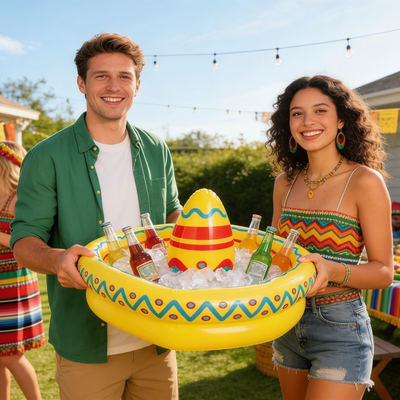
The Handy Homestead Inflatable Sombrero Ice Bucket Drink Cooler Floating Party Beverage Chiller Inflatable Sombrero Ice Bucket Drink Cooler Floating Party Beverage ChillerTurn any gathering into a lively, refreshing experience with this playful inflatable sombrero ice bucket drink cooler designed for effortless outdoor entertaining. This Inflatable Ice Bucket brings both function and fun together, keeping your...41,97 $*Shipping: 0,00 $Secure redirect to the provider
-
The Handy Homestead Giant Inflatable Dice Party Game Toy For Indoor Outdoor Fun Giant Inflatable Dice Party Game Toy For Indoor Outdoor FunBring instant laughter, movement, and friendly competition to any gathering with 1pc inflatable dice made for big, playful moments. This lightweight blowup cube is a fun giant dice toy for kids, families, classrooms, parties, and outdoor activities....34,97 $*Shipping: 0,00 $Secure redirect to the provider
-
How can sustainability be assessed?
Sustainability can be assessed through various methods such as conducting life cycle assessments, measuring environmental impacts, evaluating social and economic factors, and analyzing the overall resilience of a system. Key indicators such as carbon footprint, water usage, biodiversity impact, social equity, and economic viability can be used to evaluate the sustainability of a product, project, or organization. By using a combination of quantitative data, qualitative analysis, and stakeholder engagement, a comprehensive assessment of sustainability can be achieved. Regular monitoring and reporting of these indicators over time can help track progress towards sustainability goals and identify areas for improvement. **
-
What about sustainability in banks?
Sustainability in banks refers to their commitment to environmental, social, and governance (ESG) principles in their operations and decision-making processes. Banks can promote sustainability by incorporating ESG criteria into their lending and investment practices, supporting green initiatives, and reducing their own carbon footprint. By integrating sustainability into their business models, banks can contribute to a more sustainable and responsible financial system that addresses key global challenges such as climate change and social inequality. Additionally, banks that prioritize sustainability may also benefit from improved risk management, enhanced reputation, and increased customer loyalty. **
-
What is the sustainability triangle?
The sustainability triangle is a concept that illustrates the interconnected relationship between social, environmental, and economic factors in achieving sustainability. It emphasizes that for a system or activity to be truly sustainable, it must balance and integrate these three dimensions effectively. By considering the social, environmental, and economic impacts of our actions, we can work towards creating a more sustainable future for both current and future generations. **
-
What exactly does sustainability mean?
Sustainability refers to meeting the needs of the present without compromising the ability of future generations to meet their own needs. It involves balancing economic, social, and environmental factors to ensure long-term well-being for both people and the planet. This includes practices that promote resource efficiency, social equity, and environmental protection to create a more resilient and equitable society for all. **
* All prices are inclusive of VAT and, if applicable, plus shipping costs. The offer information is based on the details provided by the respective shop and is updated through automated processes. Real-time updates do not occur, so deviations can occur in individual cases. ** Note: Parts of this content were created by AI.